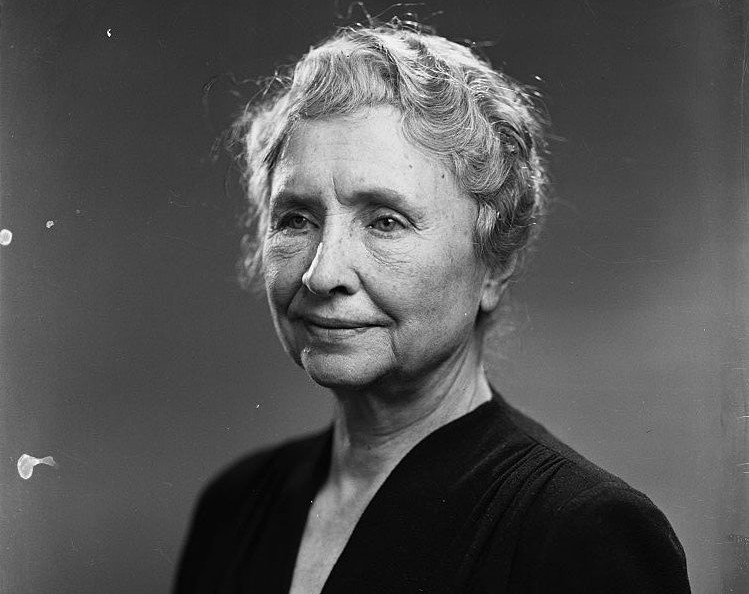
Hellen Keller (1880 – 1968) was an American author both deaf and blind. Her condition didn’t stop her to become a disability rights advocate and inspire many even years after her passing. This day is an important symbol for accessibility and inclusivity that us, at Clevy, celebrate by remember one of its most important protagonists
International day of Deafblindness
Today, June 27th marks the international day of Deafblindness. According to the United Nation, deafblindness is consider a unique and profound challenge where neither sight nor hearing can make up for the other, creating barriers that often go unseen in society and policy. Specialized interpreters become the vital bridge, unlocking communication and independence for those navigating this silent, darkened world.
Hellen Keller’s force of will
Today is also dedicated to Helen Keller one of the most iconic figures in the deafblindness community. On the day of her birthday (27th June 1880) we celebrate the incredible story of resilience that she displayed, and the lasting legacy in the fight for accessibility and inclusion she endured.
Born in 1880 and left deaf and blind by illness at 19 months old, Helen Keller’s story is one of courage, persistence, and hope. With the support of her teacher, Anne Sullivan, she learned to communicate and later became the first deafblind person to earn a college degree. She spent her life advocating for people with disabilities, and her voice still echoes through the work we do today.
Recognizing the global impact of her legacy, the United Nations also marks June 27 as the International Day of Deafblindness, shining a light on the importance of awareness, education, and access for the deafblind community around the world.
“Alone we can do so little; together we can do so much.”
Hellen Keller
Why It Matters in Assistive Technology
At the heart of assistive technology is a simple yet powerful belief: everyone deserves to connect, learn, and thrive, regardless of ability.
Helen Keller’s journey reminds us that accessibility is not just about tools; it’s about empowerment. From screen readers to braille displays, from large-key keyboards to communication devices, assistive technology exists to remove barriers and open doors.